Available
Fantome Sauvage (oiseau)
Anna Novakov$1,500
- Medium
- Photograph
- Dimensions
- —
- Year
- 2026
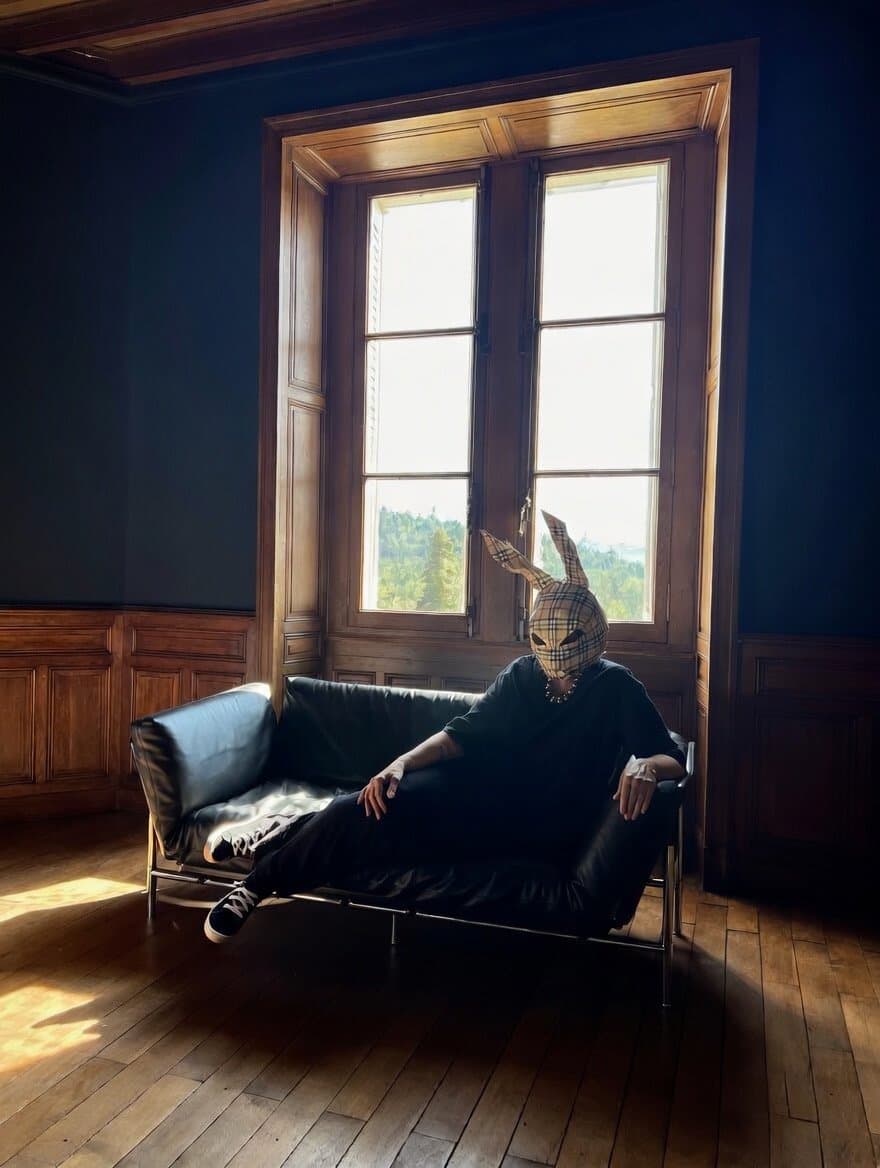
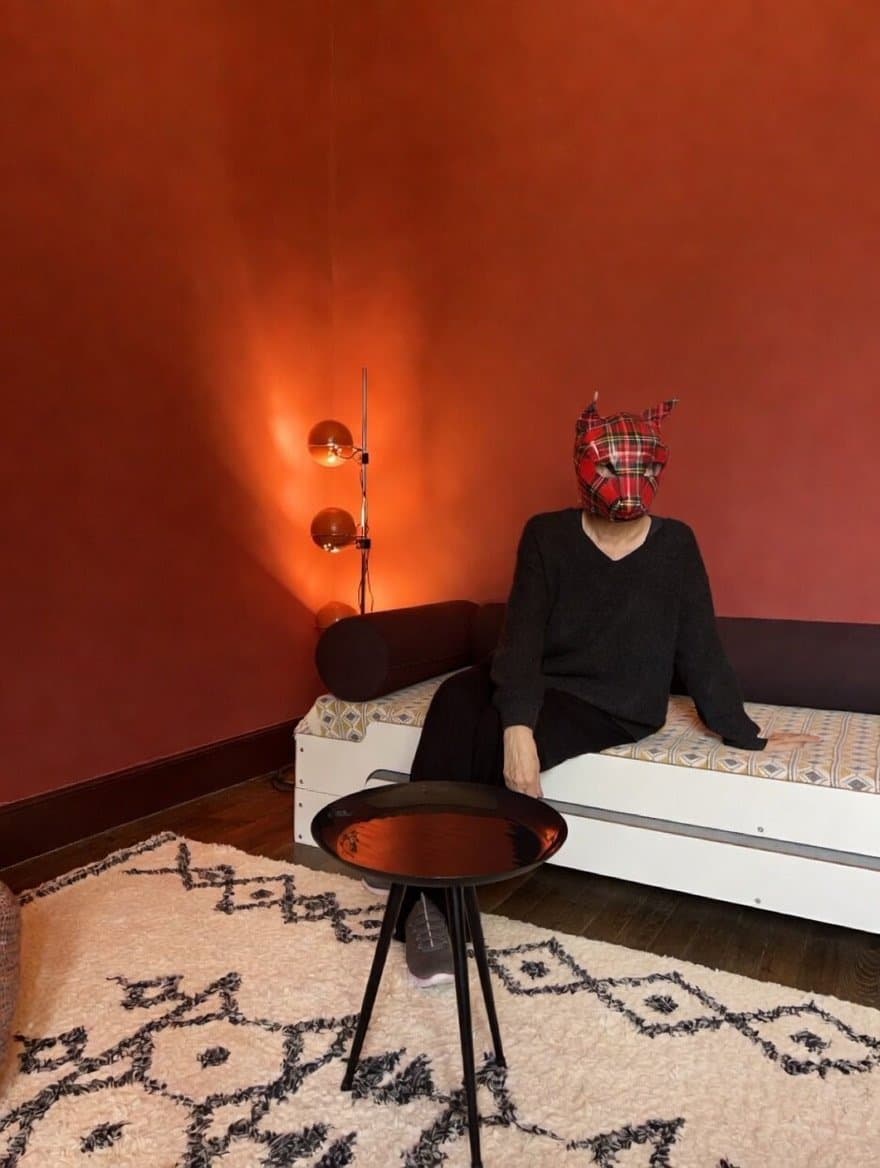
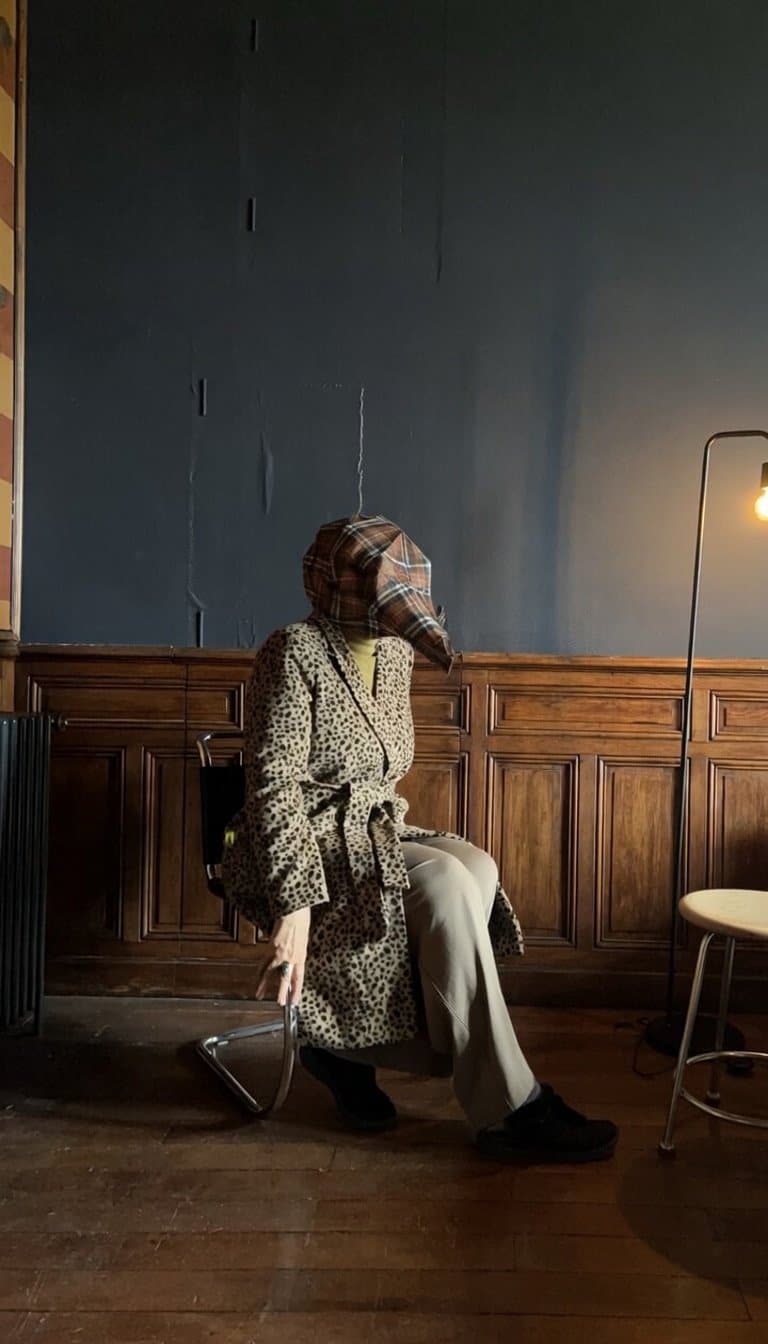
In my recent work, Fantôme Sauvage, the mask emerges not as a tool of disguise, but as a method for reconfiguring the body. It interrupts the primacy of the face—the site through which identity is most readily assigned—and instead renders the body as surface: textured, extended, and perceptually unstable. This gesture draws on earlier avant-garde strategies, from the anonymity cultivated by Maison Margiela to the performative transformations of Leigh Bowery, where the face was not hidden but rewritten. In my work, however, the mask operates within a contemporary condition shaped by digital multiplicity, surveillance, and the dispersal of the self across images, memories, and projections. To obscure the face is to redirect attention. In Fantôme Sauvage, vision is unsettled, and other senses begin to surface—touch, scent, proximity. The body resists immediate recognition; it must be encountered through duration and sensation. The figure becomes something felt rather than known. Here, the mask functions as an interface rather than a barrier. It mediates between interior and exterior, human and animal, presence and absence. The chimera-like bodies that emerge in these images suggest not a fixed identity, but one in constant mutation—shifting between states, refusing stability. I understand these masked forms not as concealment, but as a continuous act of becoming. Identity is not revealed; it is composed—layered through material, gesture, and atmosphere. What cannot be seen insists on being sensed.