Available
Gag to gesture
Kittaya Poolsawatdi$3,300
- Medium
- Oil on canzvas
- Dimensions
- 19"H × 23"W
- Year
- 2023
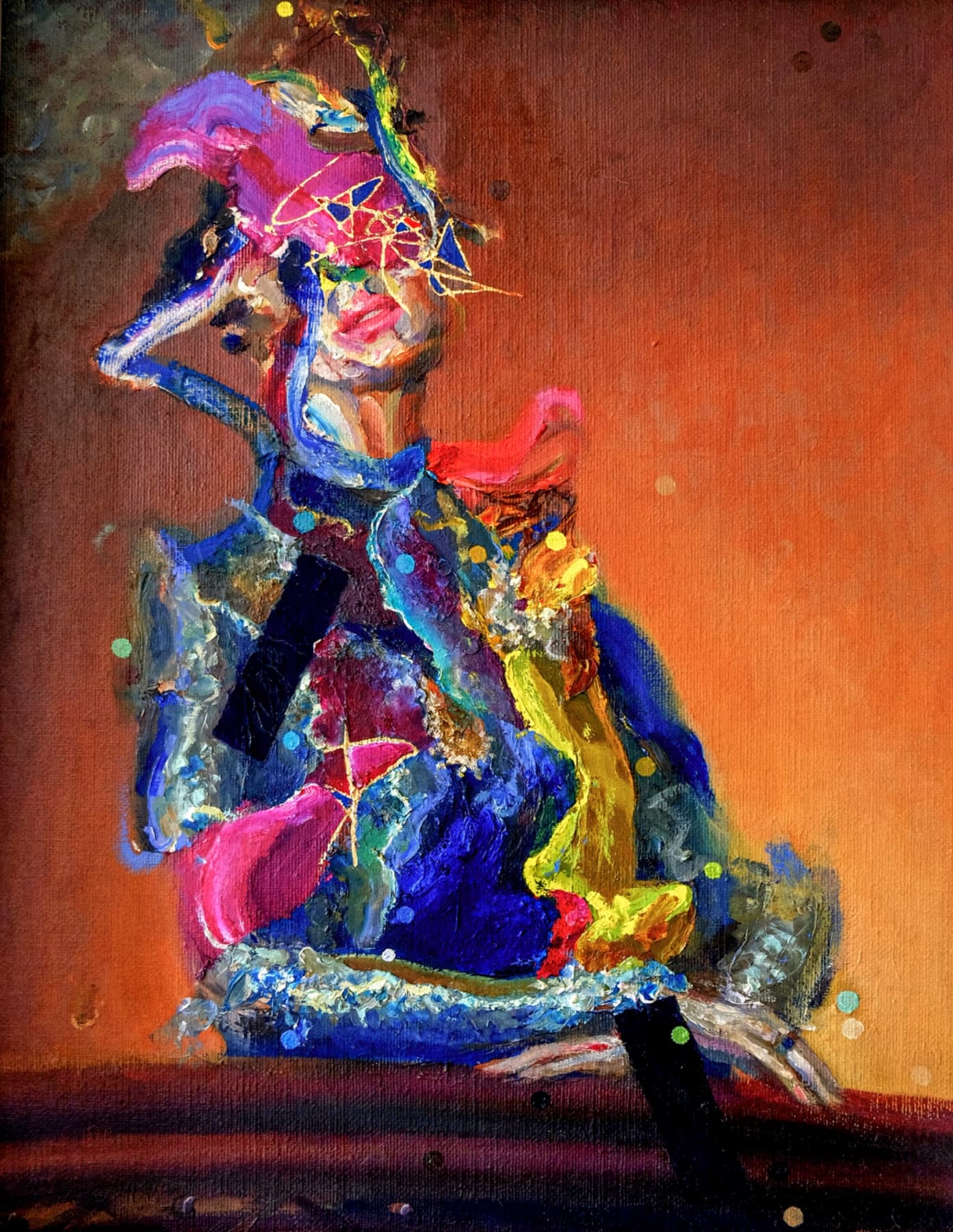
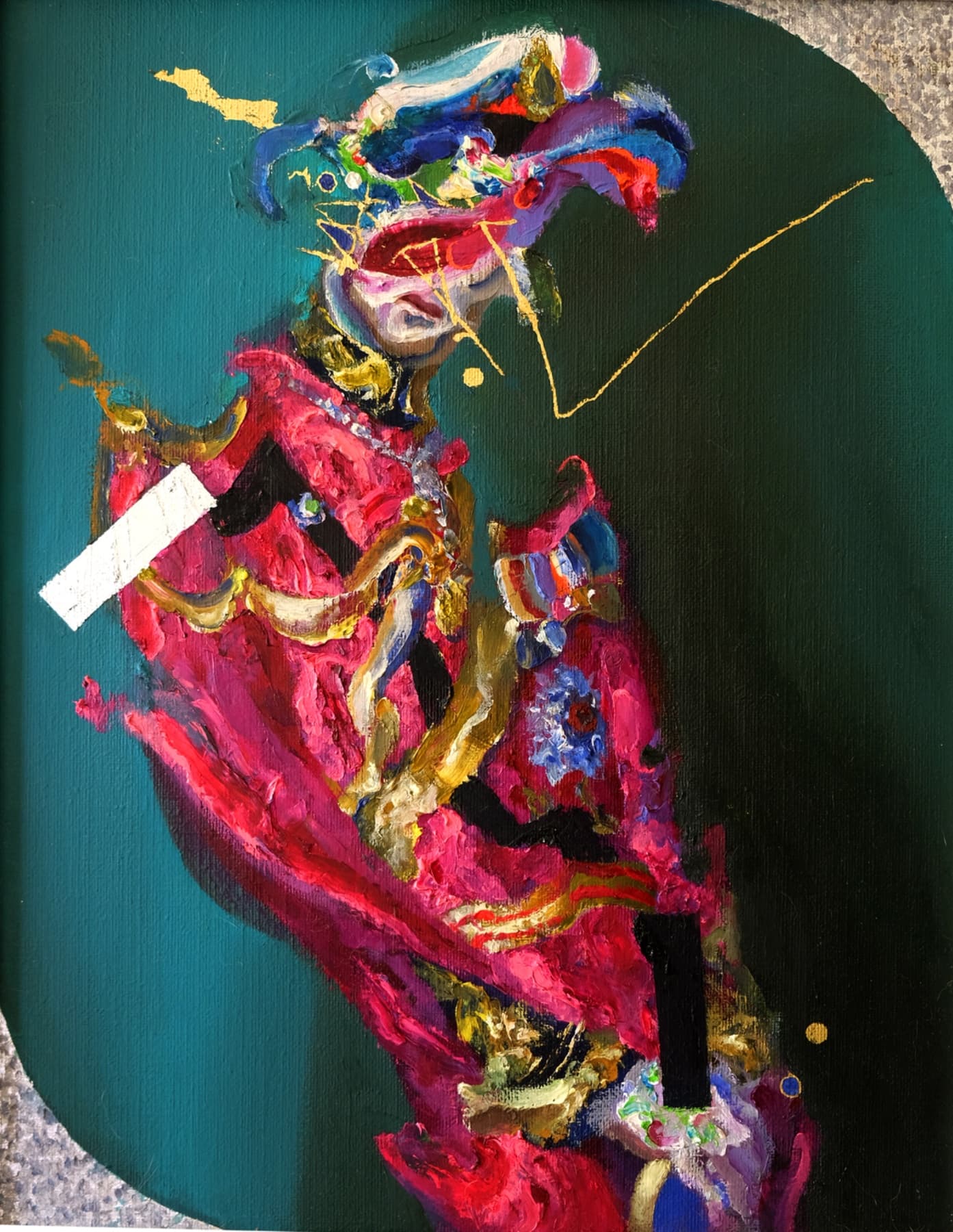
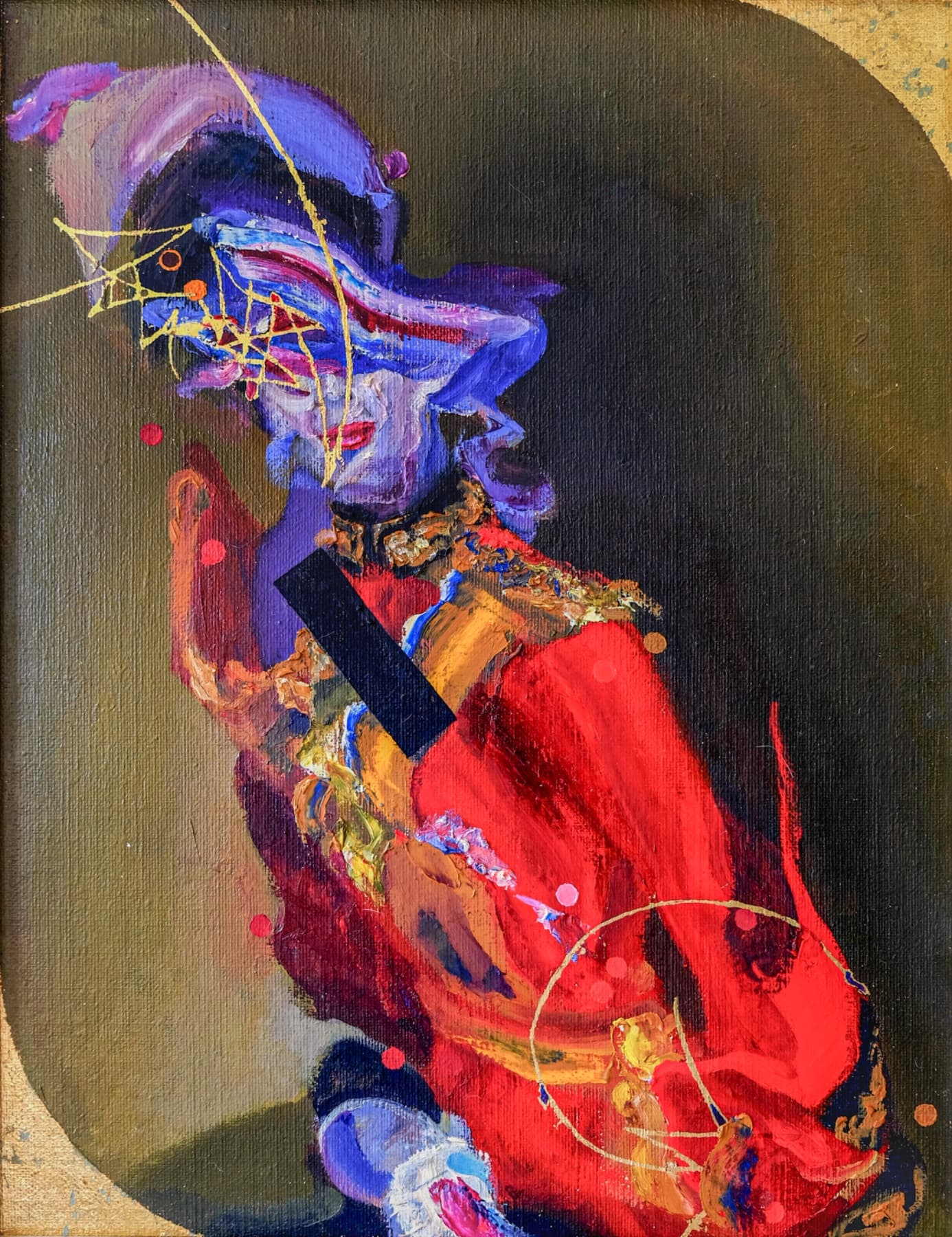
In 2023, Kittaya Poolsawatdi relocated to New York, where his work underwent a radical shift in visual language. After years of working under censorship and restrictions on free speech in Thailand, he moved away from coded allegory and academic refinement toward raw, gestural mark-making. This period marked a turning point in which suppressed speech and the memory of resistance became painterly force. This was not a translation from Thai into English, but a movement from one painterly language into another. The coded allegories and academic refinement of his earlier works give way to raw, visceral mark-making. Smooth surfaces, modeled flesh, and controlled light are replaced by smears, ruptures, stains, and compressed masses of paint. The image no longer conceals itself behind symbolism; it begins to speak through force, damage, and gesture. For Poolsawatdi, migration becomes more than a change of place. It becomes a condition that allows suppressed speech to re-enter the painting as physical action. In Gag to Gesture, paint becomes a new language—one formed after censorship, after displacement, and after the need to speak indirectly.

